Pocket Spring vs Memory Foam Mattresses

Pocket Spring vs Memory Foam Mattresses
Pocket spring and memory foam mattresses are two of the most popular options available today. Both can provide comfortable support, but they create a very different sleeping experience.
Understanding how each construction works can make it easier to decide which type may suit your sleeping style and comfort preferences.
What Is a Pocket Spring Mattress?
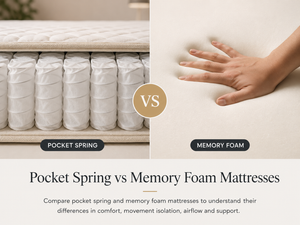
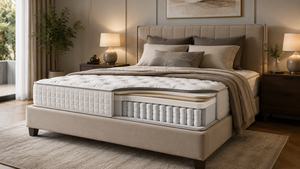
A pocket spring mattress contains individual springs, with each spring enclosed in its own fabric pocket. Unlike a traditional interconnected spring system, pocket springs can respond more independently to pressure and movement.
Many pocket spring mattresses also include foam, fibre or quilting layers above the spring unit. These comfort layers determine whether the final mattress feels plush, medium or firm.
Benefits of Pocket Springs
Responsive Support
Individual springs compress according to the pressure placed on them. This allows different areas of the mattress to respond separately to the body.
Easier Movement
Pocket spring mattresses often feel more responsive than slow-recovery memory foam. This may make changing sleeping positions and getting out of bed easier.
Airflow Through the Spring Unit
The open spaces surrounding the springs can allow air to circulate through the internal mattress structure.
Wide Range of Comfort Options
Pocket spring mattresses are available in plush, medium, firm and super firm variations. The final comfort level depends on the springs, foam layers, quilting and overall construction.
Possible Considerations with Pocket Springs
Pocket spring mattresses can be heavier than some all-foam models. Their quality can also vary depending on spring count, wire construction, edge support and the durability of the comfort layers.
Although pocket springs can reduce movement transfer compared with older interconnected spring systems, they may still feel more responsive than memory foam.
What Is a Memory Foam Mattress?
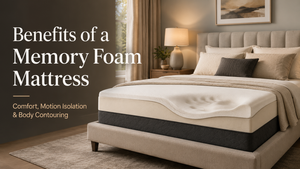
Memory foam is designed to respond to body heat and pressure. It gradually contours around the body and then slowly returns towards its original shape when pressure is removed.
Some mattresses are made primarily from foam, while others combine memory foam comfort layers with pocket springs.
Benefits of Memory Foam
Body Contouring
Memory foam can create a close, cushioned feel by conforming around the body. This may appeal to sleepers who enjoy noticeable pressure-relieving comfort.
Movement Isolation
Foam can absorb a significant amount of movement. This may be helpful for couples when one person changes position or gets out of bed during the night.
Quiet Construction
As there are no moving metal springs in an all-foam mattress, the construction is generally quiet during normal use.
Consistent Surface Feel
Memory foam provides a more continuous surface without the individual springing sensation that some sleepers notice in traditional mattresses.
Possible Considerations with Memory Foam
Some memory foam mattresses may retain more warmth than highly ventilated spring mattresses. Modern designs may use open-cell foam, ventilation channels or cooling materials to help manage temperature.
Memory foam can also make movement feel slower because the foam contours around the body. Customers who prefer a bouncy or highly responsive mattress may favour pocket springs or a hybrid design.
What Is a Hybrid Mattress?
A hybrid mattress combines a pocket spring support system with foam comfort layers, which may include memory foam, gel-infused foam or other cushioning materials.
The aim is to combine the responsiveness and airflow of springs with the contouring comfort and movement isolation of foam.
Which Is Better for Couples?
Memory foam is often chosen for movement isolation, while modern pocket springs can also reduce movement by allowing individual springs to respond independently.
Couples should also consider mattress size, edge support and whether both partners enjoy the same type of surface feel.
Which Is Better for Hot Sleepers?
Pocket spring mattresses generally provide more open internal space for airflow. Some sleepers therefore find spring or hybrid mattresses more comfortable in warm conditions.
However, mattress temperature is also affected by the fabric, foam type, protectors, sheets, room ventilation and individual body temperature.
Which Mattress Feels Firmer?
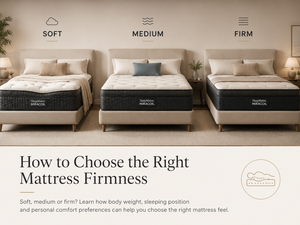
Neither construction is automatically firmer. Pocket spring, memory foam and hybrid mattresses can all be made in different comfort levels.
A thick memory foam mattress may feel deeply cushioned, while a high-density foam model can feel quite firm. Likewise, a pocket spring mattress may be either plush or super firm depending on its comfort layers.
Quick Comparison
- Pocket spring: responsive, ventilated and available in many comfort levels
- Memory foam: contouring, quiet and effective at absorbing movement
- Hybrid: combines springs with substantial foam comfort layers
Which One Should You Choose?
Choose a pocket spring mattress if you prefer a responsive surface, easier movement and airflow through the spring unit.
Consider memory foam if you enjoy close body contouring, reduced movement transfer and a slower, cushioned response.
A hybrid mattress may be suitable when you want a combination of spring support and foam comfort.
Explore the pocket spring, memory foam and hybrid mattresses available at Comfort For All to compare comfort levels, materials and construction.
- Comfort for All